
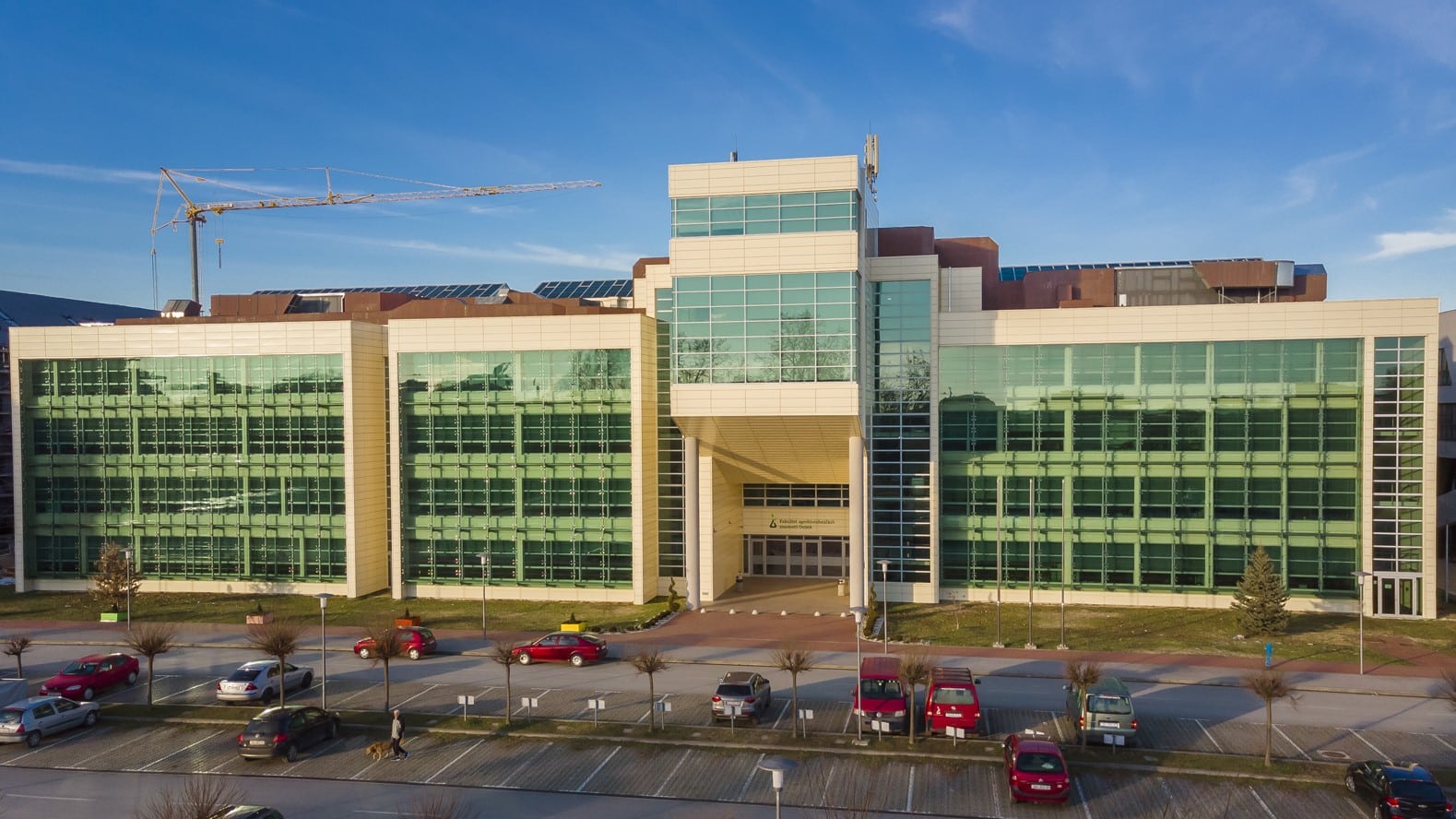
Poljoprivredni fakultet u Osijeku (PFOS)
Počeci razvoja visokoškolskog obrazovanja u biotehničkom području u istočnoj Hrvatskoj započeli su 1960. godine osnivanjem Visoke poljoprivredne škole u Osijeku koja je s nastavom za prve studente službeno započela 18. listopada 1960. godine.
Visoka poljoprivredna škola bila je u sastavu Sveučilišta u Zagrebu sve do osnivanja Sveučilišta u Osijeku 1975. godine kada Poljoprivredni fakultet postaje članicom osječkog Sveučilišta. Fakultet zapravo postoji i danas, ali 2018. godine se njegovo ime mijenja u ”Fakultet agrobiotehničkih znanosti Osijek”, no o tome ćemo detaljno pričati malo kasnije.
Za sad, upoznajmo se s njegovom zanimljivom prošlošću.
Povijest Poljoprivrednog fakulteta u Osijeku
Poljoprivredni fakultet osnovan je 18. listopada 1960. godine pod nazivom Visoka poljoprivredna škola. Iako tada u sastavu Sveučilišta u Zagrebu, bio je prva visokoškolska ustanova u ovom dijelu Hrvatske.
Razlog osnivanju bila je potreba za obrazovanjem kadrova iz poljoprivrede, a vrijeme osnivanja poklapalo se s intenzivnim razvojem znanosti u poljoprivredi te primjenom tih znanstvenih dostignuća u tehnologijama uzgoja ratarskih kultura i domaćih životinja. Nositelj znanstveno-istraživačke djelatnosti u poljoprivredi u to je vrijeme na ovom području bio Poljoprivredni institut u Osijeku.
Inicijativu o osnivanju Visoke poljoprivredne škole pokrenula je osječka podružnica Društva agronoma. Tadašnja Visoka poljoprivredna škola organizirala je nastavu na dva smjera i to na ratarskom i stočarskom, u trajanju od šest semestara, odnosno tri godine, a u prvi je semestar u jesen 1960. godine bilo upisano 88 redovnih i 146 izvanrednih studenata.
Ubrzo se postojeći program pokazao neodgovarajućim zbog preopterećenosti studenata, jer je praktično četverogodišnji program studija poljoprivrede bio zgusnut u tri godine.
Godine 1969. započeo je četverogodišnji studij u trajanju od osam semestara. Zbog potrebe za osnivanjem novog smjera prehrambene tehnologije, 1970. godine Visoka poljoprivredna škola mijenja naziv u Poljoprivredno-prehrambeno-tehnološki fakultet.
Godine 1975. osniva se Sveučilište u Osijeku, čijom članicom postaje i Poljoprivredno-prehrambeno-tehnološki fakultet. Poljoprivredni fakultet je prvi puta registriran pod tim nazivom godine 1976., kada od postojećeg Poljoprivredno-prehrambeno-tehnološkog fakulteta nastaju dvije zasebne fakultetske ustanove i to Poljoprivredni i Prehrambeno-tehnološki fakultet.
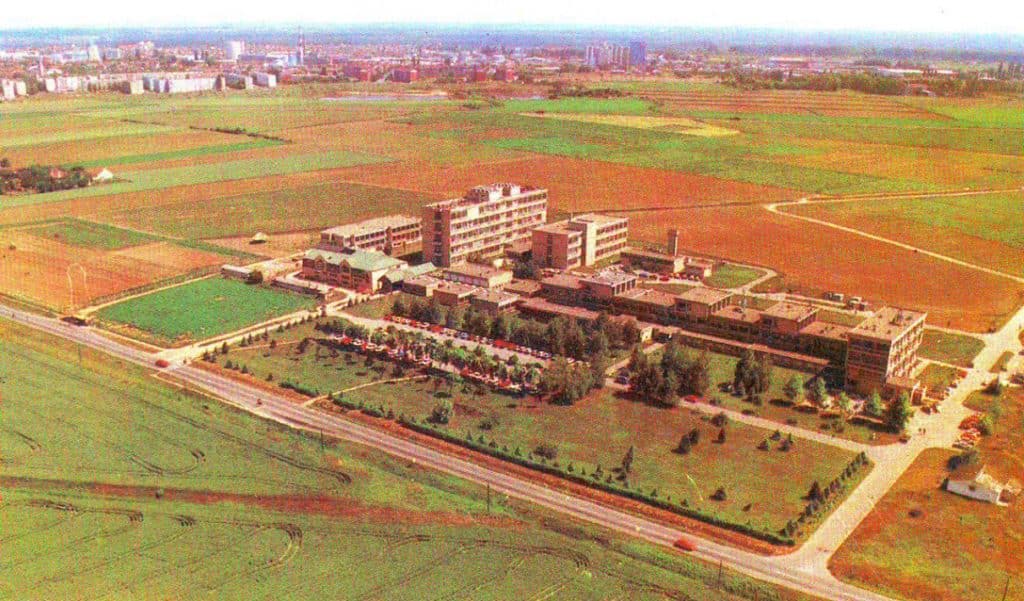
Iste godine osniva se u sastavu Sveučilišta Biotehnički znanstveno nastavni centar (BTZNC), koji udružuje Poljoprivredni fakultet, Poljoprivredni institut, Prehrambeno-tehnološki fakultet. Od akademske godine 1976/77. započinje s radom novo uspostavljeni smjer poljoprivrednog strojarstva na Poljoprivrednom fakultetu u Osijeku. Godine 1977. Poljoprivredni fakultet, zajedno s ostalim članicama BTZNC-a useljava u novoizgrađeni prostor na Tenjskoj cesti.
Useljenjem u novi prostor od preko 4000 četvornih metara Poljoprivrednom fakultetu su pružene mogućnosti u značajnom i kvalitetnom poboljšanju znanstvene i nastavne djelatnosti. Od 1. siječnja 1978. godine Viša poljoprivredna škola Vinkovci udružuje se s Poljoprivrednim fakultetom u jedinstvenu fakultetsku ustanovu.
Činom integracije Viša poljoprivredna škola je unijela svoje smjerove (ratarstva, stočarstva i poljoprivrednog strojarstva), današnjim jezikom rečeno stručne studije, u Poljoprivredni fakultet Osijek. Popratnim se dokumentom integracije utvrđuje da se nastava ratarstva i stočarstva VI. i VII. stupanj izvodi u Osijeku, a nastava VI. i VII. stupnja poljoprivrednog strojarstva u Vinkovcima.
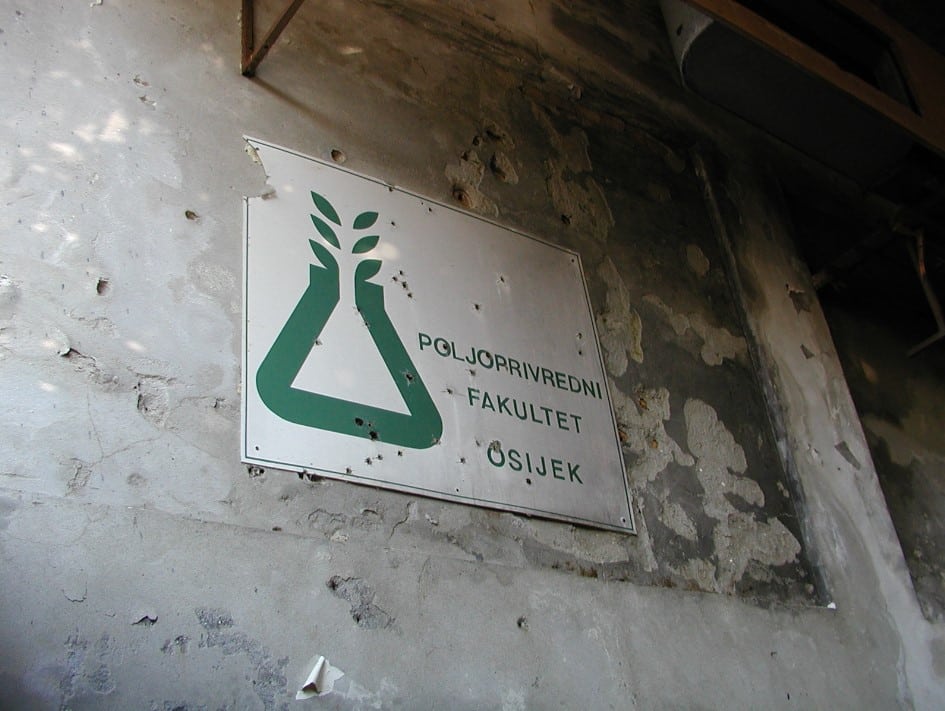
Godina 1991. ostaje trajno zabilježena u povijesti našeg Fakulteta. U doba najvećeg uzlaznog razvojnog puta u nastavi, znanosti i suradnji s gospodarstvom i međunarodnim institucijama, i s najvećim brojem upisanih studenata, agresija na Republiku Hrvatsku naglo je prekinula sve aktivnosti na prostorima na Tenjskoj cesti.
Gotovo su u potpunosti uništeni radni prostori, laboratoriji, predavaonice i sva prateća infrastruktura. Sadašnje generacije studenata Sveučilišta u Osijeku ne znaju da su ondašnji studenti Poljoprivrednog fakulteta imali na raspolaganju prostran, moderan studentski restoran “Gaudeamus” i knjižnicu, koji su se po opremljenosti mogli mjeriti sa suvremenim europskim sveučilišnim centrima.
Razdoblje od 1991. do 1995. godine bilo je najteže razdoblje za Poljoprivredni fakultet. Ostao je bez prostora i opreme, ali najvažnije je bilo to što nije ostao bez studenata, nastavnika, te pomoći i podrške od strane ostalih članica Sveučilišta te institucija u zemlji i inozemstvu. Od 1991. do 1995. godine nastava se izvodila na nekoliko lokacija u gradu (Ekonomski, Pravni, Pedagoški Fakultet, Otvoreno sveučilište). Studenti Poljoprivrednog fakulteta aktivno su se uključili u postrojbe Hrvatske vojske, a šest je studenata poginulo u obrani domovine. Unatoč golemim teškoćama Fakultet je nastavio s obrazovnim i znanstvenim radom, zahvaljujući izuzetnoj upornosti i disciplini djelatnika. Studentski časopis studenata Poljoprivrednog fakulteta, ustrojen 1995. godine, simbolično nosi naziv “Fenix”.

Godine 1995. Poljoprivrednome fakultetu dodijeljen je privremeni smještaj u zgradi bivše General-vojarne u Tvrđi, na Trgu Svetoga Trojstva 3. Od tada je započeo proces prostorne obnove, koji se sastojao u opremanju predavaonica, laboratorija, knjižnice, informatičkoga kabineta i kompletne infrastrukture. Obnavljanje i prilagođavanje skromnoga prostora obrazovnim i znanstvenim potrebama na lokaciji Fakulteta u Tvrđi i na stručnome studiju u Vinkovcima odvijao se desetak godina postupno i u skladu s financijskim mogućnostima Fakulteta te potporama osječkoga Sveučilišta, Ministarstva znanosti, obrazovanja i športa RH te ostalih institucija.
Tijekom 1995. godine ponovo se osjećalo zadovoljstvo napretka. Tome osjećaju doprinijela je dijelom i skromnost na koju su se naši djelatnici i studenti navikli u osjećanju tereta beskućnika i života u neprimjerenim uvjetima za normalan znanstveni i obrazovni rad. Novi nastavni programi za smjerove ratarstvo, opći i zootehnika, u trajanju od 9 semestara, prihvaćeni su od Nacionalnoga vijeća za visoku naobrazbu 1996., a upis studenata započeo u akademskoj 1996./1997.godini. Novi se nastavni plan za smjer mehanizacije u poljoprivredi počeo primjenjivati upisom studenata u akademsku 2000./2001., a za smjer agroekonomike od 2003./2004. akademske godine.
Od 1998. godine dotadašnji VI. stupanj nastave odvijao se na Poljoprivrednom odjelu u Vinkovcima, Veleučilišta u Požegi. Studenti su mogli upisivati sljedeće smjerove: zootehnika, bilinogojstvo, obiteljska gospodarstva, poljoprivredna tehnika, a od akademske 2003./2004. godine studenti su mogli upisati i smjer agrarno poduzetništvo. U skladu s reformom visokog obrazovanja u Hrvatskoj, dolazi do novih promjena u studijskim programima usklađenih s Bolonjskom deklaracijom. Nove studijske programe studenti upisuju od akademske 2005./2006. godine.
Razdoblje od 2010. do 2015. godine jedno je od najintenzivnijih u povijesti Poljoprivrednoga fakulteta te svakako označava prekretnicu u njegovom radu i razvoju. Ono što je obilježilo ovo razdoblje svakako je otvaranje nove zgrade Fakulteta i preseljenje u nove prostore. Tijekom akademske godine 2010./2011. provedena je analiza prioriteta i donesene su odluke o opremanju praktikuma, laboratorija i kabineta, izrađeni su rasporedi sjedenja po kabinetima, definirani nazivi laboratorija i praktikuma. Fakultet je svečano otvorila premijerka, gospođa Jadranka Kosor, 5. listopada 2011. godine.
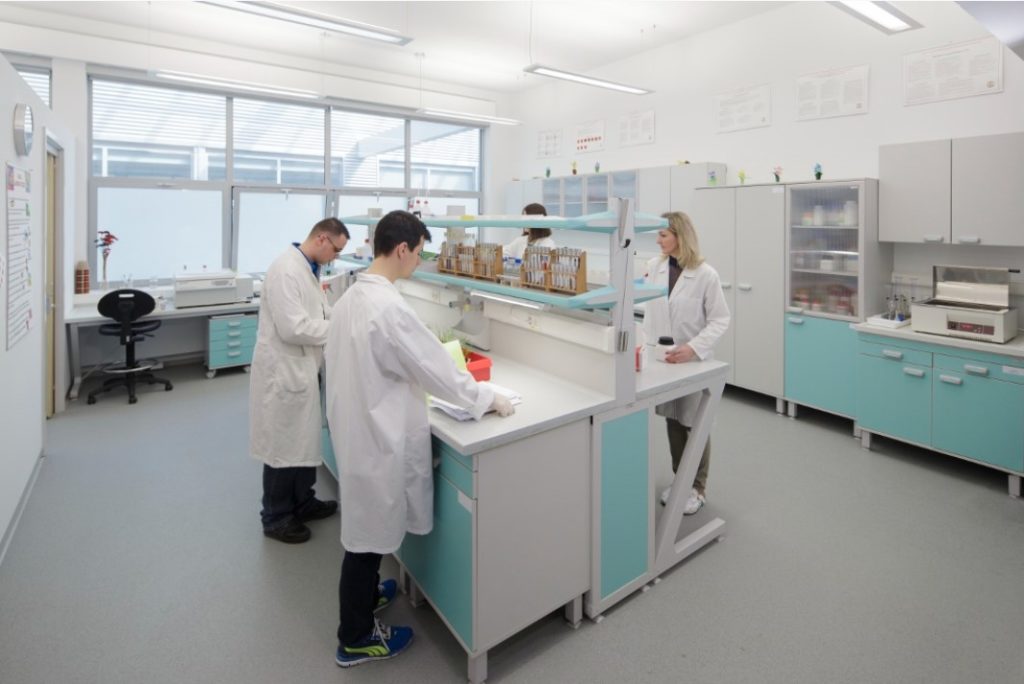
Akademska godina 2011./2012. prva je akademska godina koja je provedena u novoj zgradi fakulteta. Do kraja 2011. godine završeno je preseljenje u kabinete, a tijekom proljeća 2012. godine u najvećem je dijelu završeno preseljenje laboratorija i sve opreme. Od preseljenja do danas kontinuirano traje opremanje prostora predviđenih za nastavni proces i studente, kao i prostora za znanstveno-istraživački rad.
U akademskoj godini 2009./2010. studij je završila prva generacija studenata diplomskih studija po tzv. Bolonjskome procesu. Na osnovi osmogodišnjeg iskustva provođenja preddiplomskih studija i uočenih nedostataka te iskazanih potreba za poboljšanjem, provedene su izmjene preddiplomskih sveučilišnih studija do 20%. Izmjene su usvojene na Fakultetskome vijeću u srpnju 2014. godine, odobrene od Senata Sveučilišta te se s izvođenjem započelo od akademske godine 2014./2015.
Uz sve navedeno na Poljoprivrednom fakultetu je provedena i reakreditacija. Rad na reakreditaciji Fakulteta započeo je izradom Samoanalize, na više od 300 stranica u sedam poglavlja (Upravljanje visokim učilištem i osiguravanje kvalitete; Studijski programi; Studenti; Nastavnici; Znanstvena i stručna djelatnost; Mobilnost i međunarodna suradnja; Resursi: stručne službe, prostor, oprema i financije), na hrvatskome i engleskome jeziku. U njoj je prikazan ukupan rad Fakulteta tijekom pet godina, pri čemu je prikazano i kritičko promišljanje što i kako poboljšati.
U listopadu 2013. godine Fakultet je dobio i Akreditacijsku preporuku za izdavanjem dopusnice na pet godina, na temelju koje je 2014. godine Ministarstvo znanosti, obrazovanja i sporta izdalo Potvrdu (Dopusnicu) za znanstveno-nastavnu djelatnost. Na razini Fakulteta tijekom 2014. godine izrađen je i prijavljen projekt „Unaprjeđenje kvalitete i primjena HKO-a u preddiplomskim sveučilišnim studijima poljoprivrede“ na Poziv za dostavu projektnih prijedloga “Unapređivanje kvalitete u visokom obrazovanju uz primjenu Hrvatskog kvalifikacijskog okvira” u sklopu Europskoga socijalnoga fonda, Operativnoga programa „Razvoj ljudskih potencijala“ 2007. – 2013.
Projektom su se planirali izraditi standardi zanimanja, standardi kvalifikacija i skupovi ishoda učenja za prvostupnike poljoprivrede te novi studijski program preddiplomskoga studija Poljoprivrede na Poljoprivrednome fakultetu.
Velika promjena Poljoprivrednog fakulteta u Osijeku
Na 8. sjednici Senata Sveučilišta Josipa Jurja Strossmayera u Osijeku u akademskoj godini 2017./2018., održanoj 5. lipnja 2018. godine, sukladno zahtjevu Poljoprivrednog fakulteta u Osijeku, ovaj je fakultet službeno promijenio naziv u ”Fakultet agrobiotehničkih znanosti Osijek”.
No, zašto je zapravo došlo do njegove promjene? Naime, prema Elaboratu o promjeni naziva bilo je prema Hrvatskom kvalifikacijskom okviru jasno vidljivo da se većina studijskih programa Fakulteta, osim što se nalaze u znanstvenome polju poljoprivreda, odvijaju u širem području biotehničkih znanosti u znanstvenim poljima biotehnologija i šumarstvo što upućuje na interdisciplinarno područje znanosti.

Navedeni elementi u priloženom dokumentu i predložena promjena naziva Fakulteta upućuju na bolju prepoznatljivost Fakulteta kao visokog učilišta i znanstvene organizacije u znanstvenom području biotehničkih znanosti s dominantnim prefiksom znanstvenoga polja ”poljoprivreda”, uz tendenciju interdisciplinarnoga povezivanja, u prvom redu s poljima biotehnologije i šumarstva.
Današnji Fakultet jedna je od vodećih istraživačkih i visokoškolskih ustanova u području biotehničkih znanosti u regiji i, kako stoji na njihovim stranicama, „razvit će istraživački i obrazovni profil priznat na međunarodnoj razini. Fakultet će do 2025. godine postati prepoznatljiv u biotehničkim i interdisciplinarnim znanstvenim područjima istraživanja u kojima će postići izvrsnost na međunarodnoj razini, aktivno se uključiti u Europski istraživački prostor (ERA) i profilirati se kao biotehnički centar izvrsnosti za transfer znanja i tehnologija u gospodarstvo.“
Studiji Poljoprivrednog fakulteta u Osijeku
Poljoprivredni fakultet u Osijeku izradio je i već duži niz godina provodio je poslijediplomski sveučilišni studij Poljoprivrednih znanosti. Zavodi Poljoprivrednog fakulteta u Osijeku razvili su aktivnosti u okviru općih i uže specijaliziranih poljoprivrednih znanosti te je objedinjavanjem inicijativa, postignuća i posebnosti u aktivnostima svojih zavoda kreiran i navedeni poslijediplomski sveučilišni studij Poljoprivredne znanosti.
Navedenom je pridonijelo i uključivanje navedenoga studija u Europski sustav visokog obrazovanja, a sukladno potrebama nacionalnih, strateških prioriteta temeljenih na znanju u poljoprivredi. Koncepcija poslijediplomskog sveučilišnog studija Poljoprivredne znanosti s osam smjerova:
- Agroekonomika,
- Agrokemija,
- Hranidba životinja i tehnologija stočne hrane,
- Lovstvo i kinologija,
- Oplemenjivanje bilja i sjemenarstvo,
- Stočarstvo,
- Tehnički sustavi u poljoprivredi,
- Zaštita bilja,
predstavljalo je najvišu razinu integracije znanosti na Poljoprivrednom fakultetu u Osijeku i najznačajniji doprinos u istraživačko-edukacijskoj sferi znanstvene djelatnosti.
Poslijediplomski sveučilišni studij Poljoprivredne znanosti bio je utemeljen na najnovijim svjetskim znanstvenim spoznajama te je kao takav bio poticajan za razvitak novih znanja, vještina i tehnologija neophodnih za razvitak društva temeljnog na znanju, kako u nacionalnim tako i u internacionalnim prioritetima. Studij se temelji na znanstvenim aktivnostima u okviru aktivnih znanstvenih projekta, a kontinuitet i razvoj istraživačke djelatnosti ogleda se u povećanoj znanstvenoj aktivnosti Poljoprivrednog fakulteta u Osijeku koji je razvio nove prijave projekata.
Istraživački su projekti osnova surađujućih istraživanja zavoda unutar fakulteta, ali i suradnje s drugim fakultetima i znanstvenim institutima. Združena istraživanja predviđena su i samim konceptom studija koji je obuhvaćao osam smjerova.
Namjera je područja znanstvenog rada polaznika studija bila usmjeravati k istraživačkim aktivnostima projekata koji će se izvoditi na znanstvenim poligonima projekata, ali i u proizvodnim resursima privatnog i javnog sektora poljoprivredne proizvodnje te u suradnji s drugim znanstvenim institucijama, kako bi rezultati bili direktno primjenjivi u praksi.
Studij je na razini najnovijih spoznaja po koncepciji i strukturi programa te načinu realizacije bio usporediv sa sličnim studijima na drugim europskim visokoškolskim institucijama, posebice iz zemalja Europske unije.
Naime, današnji Fakultet raspolaže s ukupno pet smjerova, od kojih je samo jedan ostao pod istim imenom.
Fakultet agrobiotehničkih znanosti Osijek danas izvodi 5 smjerova preddiplomskog sveučilišnog studija Poljoprivreda:
- Preddiplomski sveučilišni studij Poljoprivreda, smjer Agroekonomika (akademski naziv sveučilišni/a prvostupnik/prvostupnica (baccalaureus/baccalaurea) inženjer/inženjerka agronomije)
- Preddiplomski sveučilišni studij Poljoprivreda, smjer Bilinogojstvo (akademski naziv sveučilišni/a prvostupnik/prvostupnica (baccalaureus/baccalaurea) inženjer/inženjerka agronomije)
- Preddiplomski sveučilišni studij Poljoprivreda, smjer Hortikultura (akademski naziv sveučilišni/a prvostupnik/prvostupnica (baccalaureus/baccalaurea) inženjer/inženjerka agronomije)
- Preddiplomski sveučilišni studij Poljoprivreda, smjer Mehanizacija (akademski naziv sveučilišni/a prvostupnik/prvostupnica (baccalaureus/baccalaurea) inženjer/inženjerka agronomije)
- Preddiplomski sveučilišni studij Poljoprivreda, smjer Zootehnika (akademski naziv sveučilišni/a prvostupnik/prvostupnica (baccalaureus/baccalaurea) inženjer/inženjerka agronomije)
Fakultet agrobiotehničkih znanosti Osijek izvodi 7 diplomskih sveučilišnih studija:
- Diplomski sveučilišni studij Agroekonomika (akademski naziv magistar/magistra inženjer/ inženjerka agroekonomike)
- Diplomski sveučilišni studij Bilinogojstvo (akademski naziv magistar/magistra inženjer/ inženjerka bilinogojstva)
- smjer Biljna proizvodnja
- smjer Ishrana bilja i tloznanstvo
- smjer Oplemenjivanje bilja i sjemenarstvo
- smjer Zaštita bilja
- Diplomski sveučilišni studij Ekološka poljoprivreda (akademski naziv magistar/magistra inženjer/ inženjerka ekološke poljoprivrede)
- Diplomski sveučilišni studij Mehanizacija (akademski naziv magistar/magistra inženjer/ inženjerka mehanizacije)
- Diplomski sveučilišni studij Povrćarstvo i cvjećarstvo (akademski naziv magistar/magistra inženjer/ inženjerka povrćarstva i cvjećarstva)
- Diplomski sveučilišni studij Voćarstvo, vinogradarstvo i vinarstvo (akademski naziv magistar/magistra inženjer/ inženjerka voćarstva, vinogradarstva i vinarstva)
- smjer Voćarstvo
- smjer Vinogradarstvo i vinarstvo
- Diplomski sveučilišni studij Zootehnika (akademski naziv magistar/magistra inženjer/ inženjerka zootehnike)
- smjer Hranidba domaćih životinja
- smjer Lovstvo i pčelarstvo
- smjer Specijalna zootehnika
Nakon diplomskog studija pristupnici mogu nastaviti studij na jednom od poslijediplomskih doktorskih studija na Fakultetu agrobiotehničkih znanosti Osijek, srodnim doktorskim studijima na osječkom Sveučilištu ili drugdje u Hrvatskoj i izvan nje.
Opći cilj diplomskih sveučilišnih studija je studentima pružiti obrazovanje visokog akademskog standarda utemeljeno na suvremenim znanstvenim spoznajama kako bi stekli suvremena znanja iz područja poljoprivrede.
Bitne informacije o Fakultetu agrobiotehničkih znanosti Osijek
Upravu Fakulteta čine dekan, četiri prodekana, tajnik Fakulteta te rukovoditelj odjeljka za financijsko- računovodstvene poslove.
Dekan i prodekani Fakulteta za mandatno razdoblje 2021.-2025. godine:
- prof. dr. sc. Krunoslav Zmaić – dekan
- izv. prof. dr. sc. Andrijana Rebekić – prodekan za nastavu i upravljanje kvalitetom
- prof. dr. sc. Zvonko Antunović – prodekan za znanost i poslijediplomske studije
- prof. dr. sc. Ivana Majić – prodekanica za međunarodnu suradnju
- izv. prof. dr. sc. Tomislav Vinković – prodekan za razvoj pokušališta i transfer tehnologija
- izv. prof. dr. sc. Brigita Popović – prodekanica za organizaciju poslovanja i upravljanje investicijama
- Renata Meleš, mag. iur. – tajnica Fakulteta
Fakultet agrobiotehničkih znanosti Osijek nalazi se na adresi Vladimira Preloga 1, a ako od njih trebate neke detaljnije informacije, njihov kontakt možete pronaći ovdje.